Religious Education
Humanities Hub Leader:
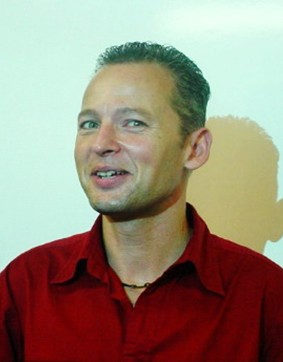 Glenn Sharp is a Senior Leader at Sandgate Primary School, with over thirty years of experience in the classroom working across a range of ages. He has previously been a subject leader of R.E., History and Geography.
Glenn has a passion for the humanities and has always especially enjoyed leading and teaching these subjects, which he believes give children of primary age enriching experiences and plant the seeds for a love of learning that will flourish throughout the rest of their lives.
Curriculum Vision: R.E
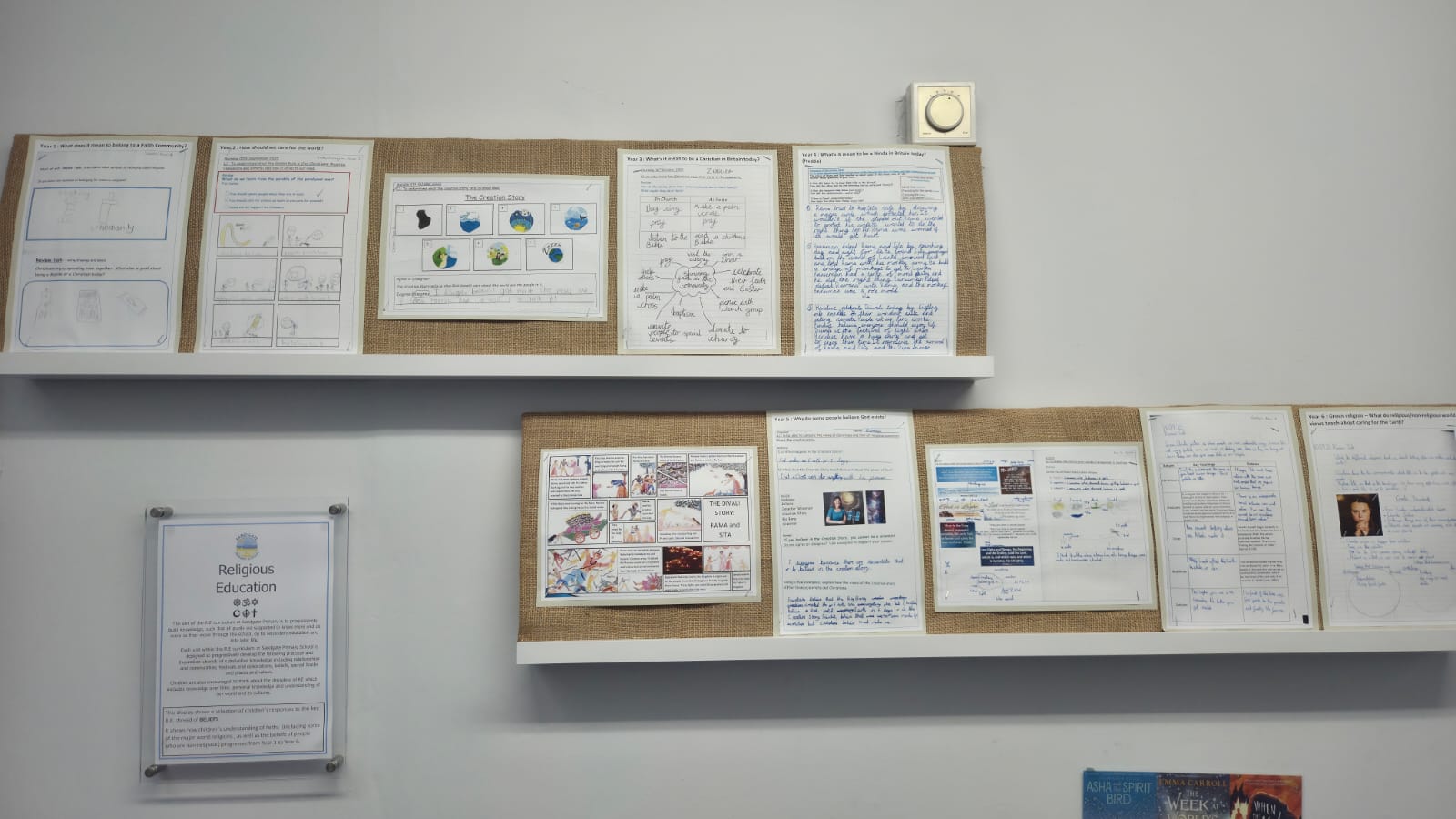
The aim of the R.E. curriculum at Sandgate Primary is to progressively build knowledge, such that all pupils are supported to know more and do more as they move through the school, on to secondary education and into later life. The curriculum is designed around both substantive and disciplinary concepts to ensure that all pupils successfully learn the discipline of R.E., along with the practical and theoretical knowledge that comprises the subject. The curriculum is supported by rigorous assessment approaches that accord all pupils the opportunity to demonstrate what they know and can do, whilst allowing gaps to be identified and addressed without impacting negatively on learning.
Substantive Threads: R.E.
Each unit within the R.E. curriculum at Sandgate, supported by the Kent Agreed Syllabus, is designed to progressively develop the following practical and theoretical strands of substantive knowledge, explored through particularly Judaism, Christianity, Islam, Hinduism and non-religious world views:
- Relationships & Communities: exploring the diversity of religious and nonreligious communities; to understand the sense of purpose that comes from being part of a community; to explore symbols and values as part of belonging.
- Festivals & Celebrations: to understand the symbolism, rituals, beliefs and meaning behind religious and nonreligious festivals and the positive impact these have on communities and society.
- Beliefs: explore how religious and nonreligious beliefs are shown through everyday life, traditions, routines and rituals.
- Sacred Books & Places: to explore holy texts, places of worship, special places for nonbelievers, symbols, routines and rituals and to appreciate how these create a sense of community and opportunity for reflection.
- Values: to explore different value systems and rituals, and how beliefs guide religious and nonreligious individuals to make choices about their lives.
Disciplinary Threads: R.E.
Each unit within the R.E. curriculum at Sandgate, supported by the Kent Agreed Syllabus, is designed to progressively develop children’s knowledge of the discipline of Religious Education. Units have been organised around developing this in the following areas:
- Knowledge over time: how knowledge of religious and non religious groups is formed through asking questions of believers and non-believers; observing the rituals, routines and life choices of religious and non-religious believers; analysing data and statistics; reading sources of wisdom; debating truth claims; exploring the emotional and sensory impact for religious and non-religious believers.
- Personal knowledge: how individuals use their understanding of R.E. to build selfawareness and express their own worldviews, which may be different from others.
- Understanding our world and its cultures: how learning about religious and non-religious practices is valuable in order to appreciate the thoughts and beliefs of others. To appreciate similarities and differences in our world’s culture and how we are able to live as prosperous humans in a multi-cultural society.
Curriculum Documents: R.E.
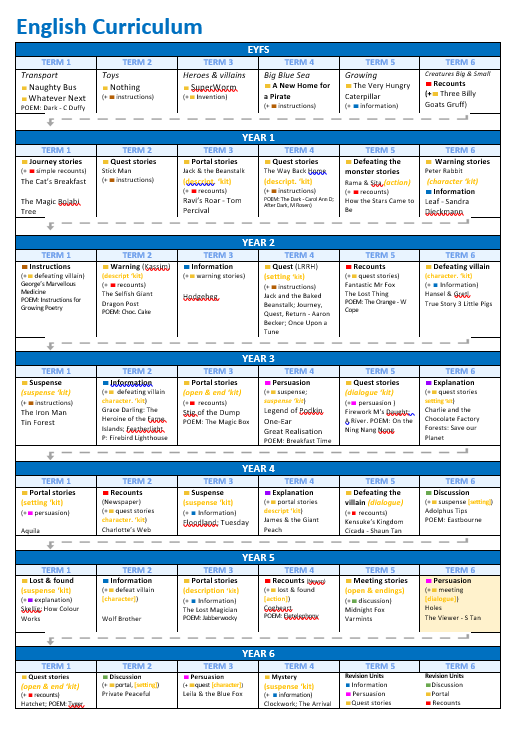
An overview of the R.E. curriculum can be found here
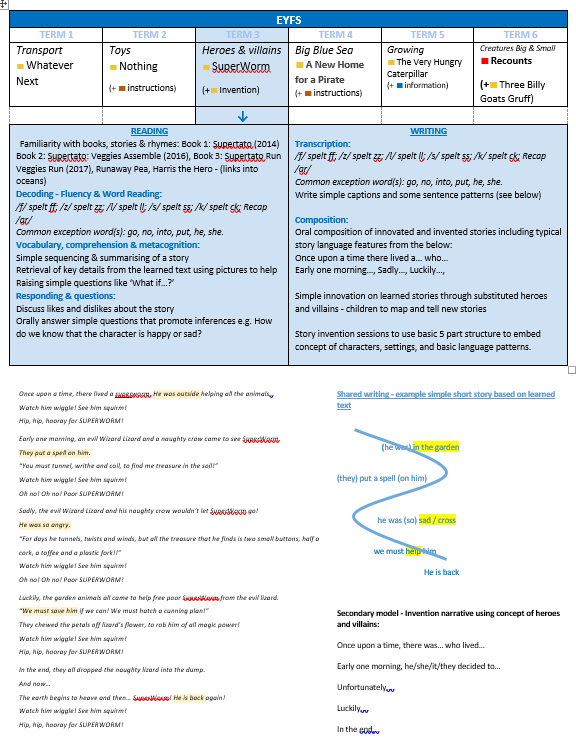
A sample of the school curriculum for R.E. can be found here
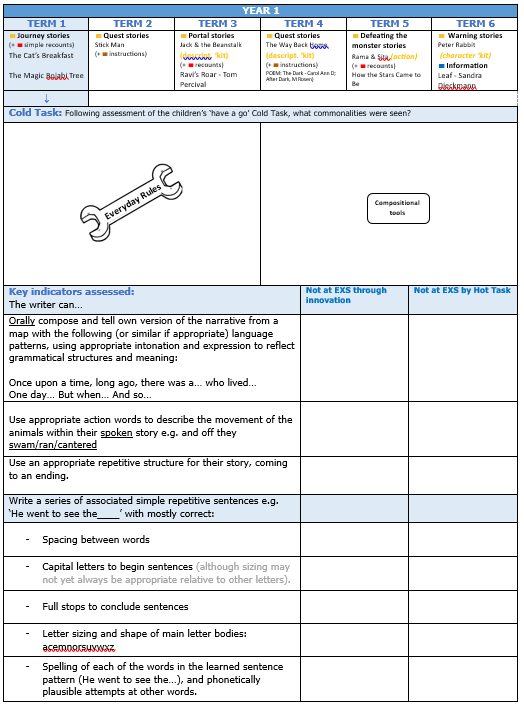
A sample of the school assessment for R.E. can be found here