History
Humanities Hub Leader:
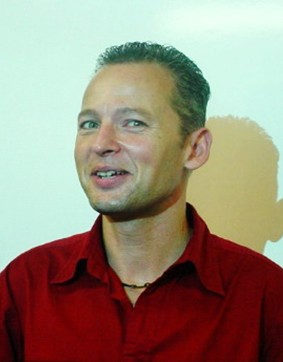 Glenn Sharp is a Senior Leader at Sandgate Primary School, with over thirty years of experience in the classroom working across a range of ages. He has previously been a subject leader of R.E., History and Geography.
Glenn has a passion for the humanities and has always especially enjoyed leading and teaching these subjects, which he believes give children of primary age enriching experiences and plant the seeds for a love of learning that will flourish throughout the rest of their lives.
History Curriculum Vision:
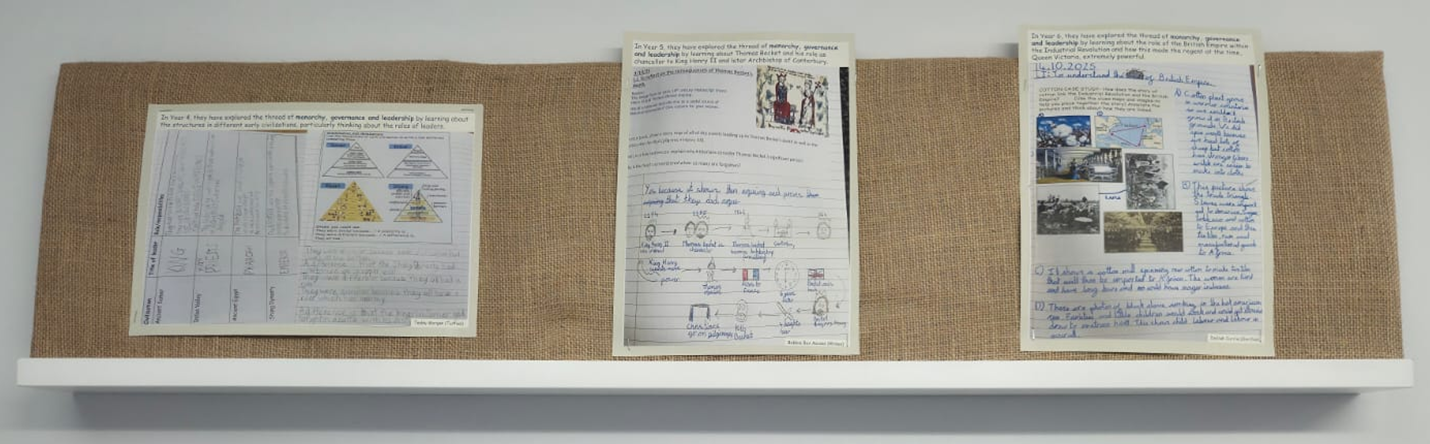
The aim of the aim of the history curriculum at Sandgate Primary is to progressively build knowledge, such that all pupils are supported to know more and do more as they move through the school, on to secondary education and into later life. The curriculum is designed around both substantive and disciplinary concepts to ensure that all pupils successfully learn the discipline of history, along with the practical and theoretical knowledge that comprises the subject. The curriculum is supported by rigorous assessment approaches that accord all pupils the opportunity to demonstrate what they know and can do, whilst allowing gaps to be identified and addressed without impacting negatively on learning.
Substantive Threads: History
Each unit within the history curriculum at Sandgate is designed to progressively develop the following practical and theoretical strands of substantive knowledge:
- Topic Knowledge & Vocabulary: the rich knowledge held about periods/places/societies that helps pupils to engage meaningfully with the past, linked to the substantive concepts below.
- Chronological Knowledge: understanding that chronology underpins every piece of history and enables them to secure an overview of these periods/developments.
- Historical Interpretation: engaging in observation, source analysis and historical enquiry, developing understanding of historical narratives and the below substantive concepts.
- Concepts: Technology, Travel & Trade: identifying the historical significance of developing technology, or where travel and trade routes have impacted society.
- Concepts: Monarchy, Governance & Leadership: understanding the role rulers/leaders have in building societies and the political impact of these.
- Concepts: Conflict & Invasion: recognising the significance of conflict and invasion in civilisations and the rise and fall of empires and societies.
- Concepts: Civilisations & Empires: recognising the power held by empires and civilisations and how this impacted local, national and global history.
- Concepts: Religion, Beliefs & Traditions: understanding the role of religion and traditions in societies and the impact this has on daily life and conflicts.
Disciplinary Threads: History
Each unit within the History curriculum at Sandgate is designed to progressively develop children’s knowledge of the discipline of History. Units have been organised around developing this in the following areas:
- Cause and Consequence: how historians make judgments about why an event occurred or the consequences of an event.
- Change and Continuity: how historians make judgments about the extent, nature or pace of change across time.
- Similarity and Difference: how historians make judgments about the extent of similarity and difference within or between groups, places or societies in the same time period.
- Historical Significance: how historians and others ascribe significance to historical people or events (deem them worthy of attention).
- Sources of Evidence: how historians use sources to make claims about the past.
- Historical Interpretations: how and why historical interpretations are different.
Curriculum Documents: History
An overview of the History curriculum can be found here
A sample of the school curriculum for History can be found here
A sample of the school assessment for History can be found here