Geography
Humanities Hub Leader:
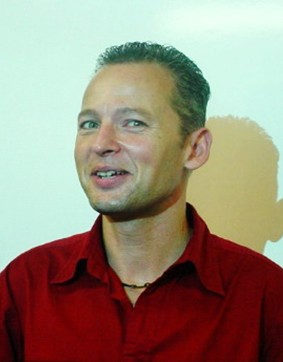 Glenn Sharp is a Senior Leader at Sandgate Primary School, with over thirty years of experience in the classroom working across a range of ages. He has previously been a subject leader of R.E., History and Geography.
Glenn has a passion for the humanities and has always especially enjoyed leading and teaching these subjects, which he believes give children of primary age enriching experiences and plant the seeds for a love of learning that will flourish throughout the rest of their lives.
Curriculum Vision: Geography
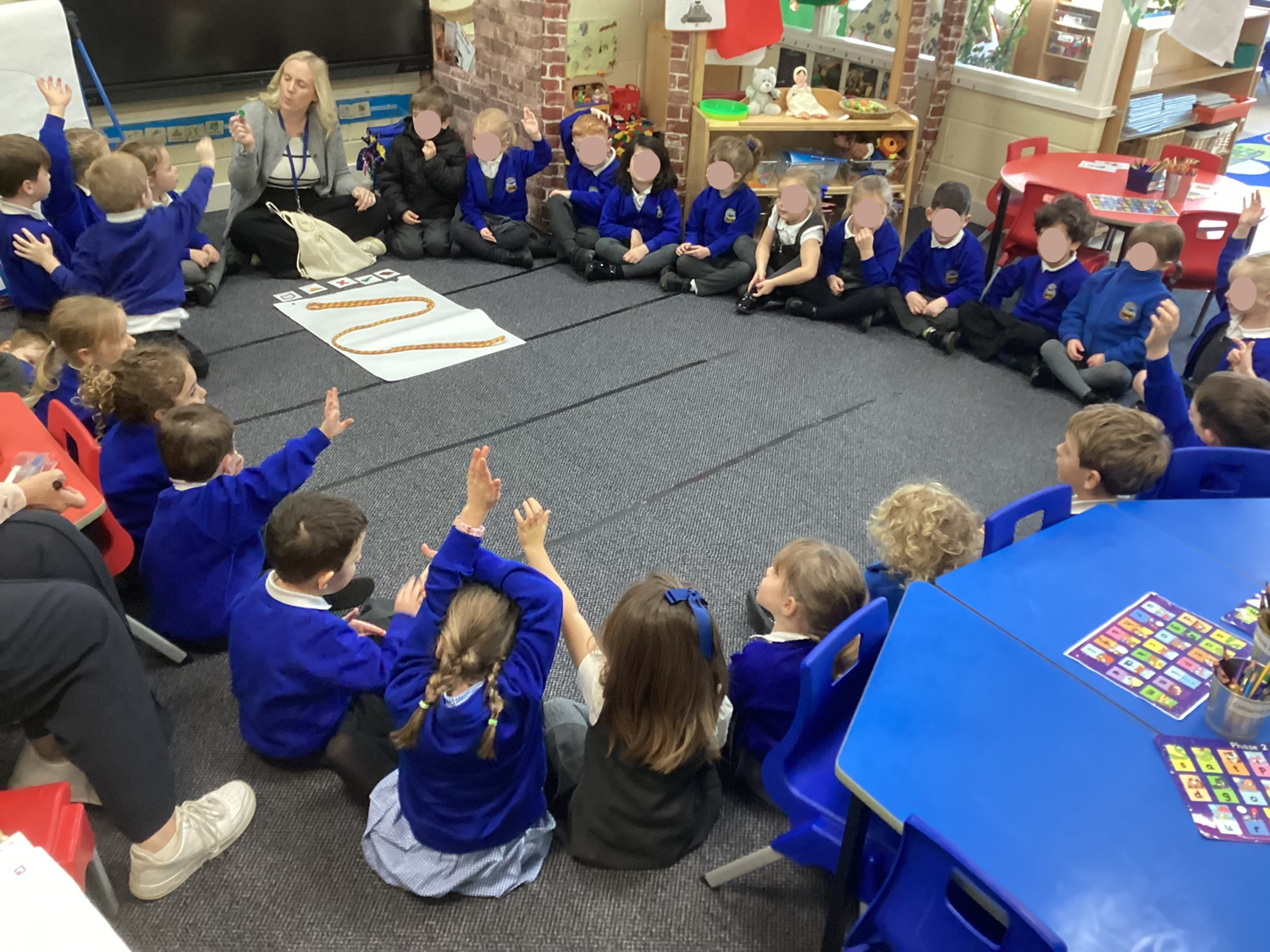 The aim of the Geography curriculum at Sandgate Primary is to progressively build knowledge, such that all pupils are supported to know more and do more as they move through the school, on to secondary education and into later life. The curriculum is designed around both substantive and disciplinary concepts to ensure that all pupils successfully learn the discipline of Geography, along with the practical and theoretical knowledge that comprises the subject. The curriculum is supported by rigorous assessment approaches that accord all pupils the opportunity to demonstrate what they know and can do, whilst allowing gaps to be identified and addressed without impacting negatively on learning.
Substantive Threads: Geography
Each unit within the Geography curriculum at Sandgate is designed to progressively develop the following practical and theoretical strands of substantive knowledge:
- Locational knowledge – through the use of maps, atlases and globes naming and locating cities, countries and geographical regions of the U.K and the world, including continents and oceans.
- Place and/or Scale knowledge – ‘Place' recognises similarities and differences between locations and how they are changing. Scale is the “zoom lens” that enables us to view places from global to local levels.
- Climate and/or Weather understanding the difference between climate and weather and how geographers study and understand them. Gaining knowledge of local, national and global weather, climate and seasons and how these are influenced by a place’s position on the globe.
- Sustainability – understanding how human geography, activity and use of natural resources impacts on the world’s physical geography and climate. Identifying cause, impact and solutions on a personal and global scale.
- Culture – awareness of the diversity of cultures around the world. Exploring differences in the way humans live in and relate to their environments.
- Fieldwork and Geographical skills- collating first-hand evidence and drawing meaningful conclusions from observation and data collection. Using geographical tools such as maps and compasses to compare places and identify and locate human and physical features.
Disciplinary Threads: Geography
Each unit within the Geography curriculum at Sandgate is designed to progressively develop children’s knowledge of the discipline of Geography. Units have been organised around developing this in the following areas:
- Reliability establish whether the geographical questions posed, the methods used, and the answers found are valid
- Interconnectedness recognise the interconnectedness of different geographical content and the relationship between physical and human geography.
- Enquiry - appreciate what it means to be a geographer, such as how geographers ask geographical questions such as ‘why is this place like this?’, ‘how is this place changing?’ and ‘how are other places affected?’
Curriculum Documents: Geography
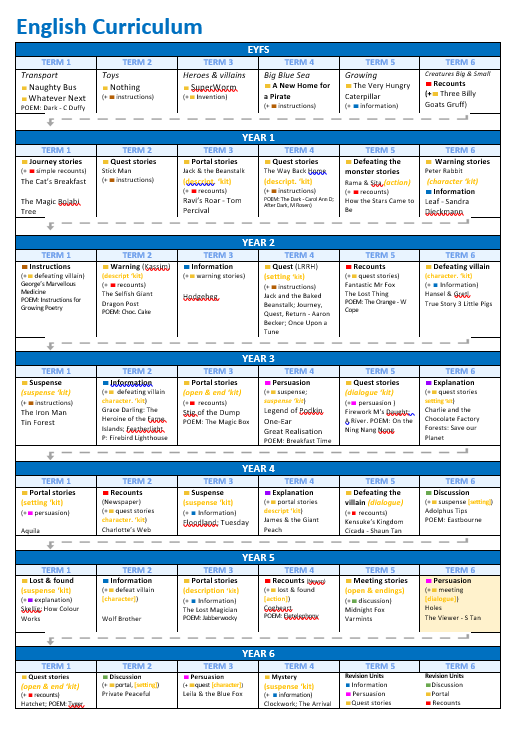
An overview of the Geography curriculum can be found here
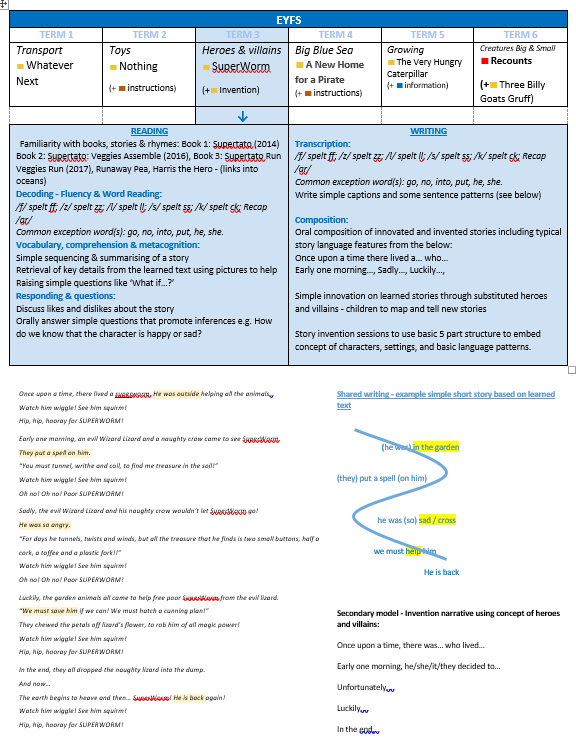
A sample of the school curriculum for Geography can be found here
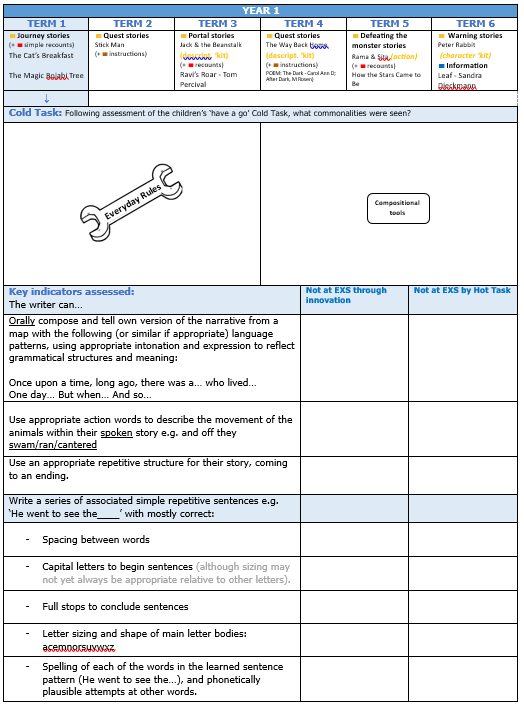
A sample of the school assessment for Geography can be found here